If the walls could talk
My time in Istanbul used to be focused exclusively on the European side of this favourite city of mine. It’s not that I was never interested, but the public transport to the Asian side is best accessed via ferry, which I can’t use due to getting sick anytime I’m on a water vessel, and the transport by bus takes too long.
During my recent visit to Istanbul, however, I decided that I will go there no matter what.
Renting a car was out of the question, since I’m probably the origin of the stereotype for women drivers, so I decided to do some research on the taxi situation in Istanbul. After going down a rabbit hole in Reddit about all the ways drivers can scam you, I decided to download BiTaksi. It’s an app that matches you with a licensed taxi, which has a built-in GPS feature and shows you the route and an estimate of the price. This doesn’t keep you from being scammed, but it gives you leverage to have an argument with the driver, in case you’re not happy and you’d like to make a scandal worthy of a Turkish drama series.
So, one day, I started with a good and strong Turkish coffee and called a taxi. Now, I don’t know if the guy thought I was suspicious, but as the car came near me, I waved, he rolled down the window, said something angrily in Turkish and just continued his path without me. I decided to wait a bit but then came the notification that the trip was over, and I needed to approve the payment. Which I did approve by accident and got debited 300 TL from my bank account - but anyway, I decided I won’t dwell on it and called a second taxi.
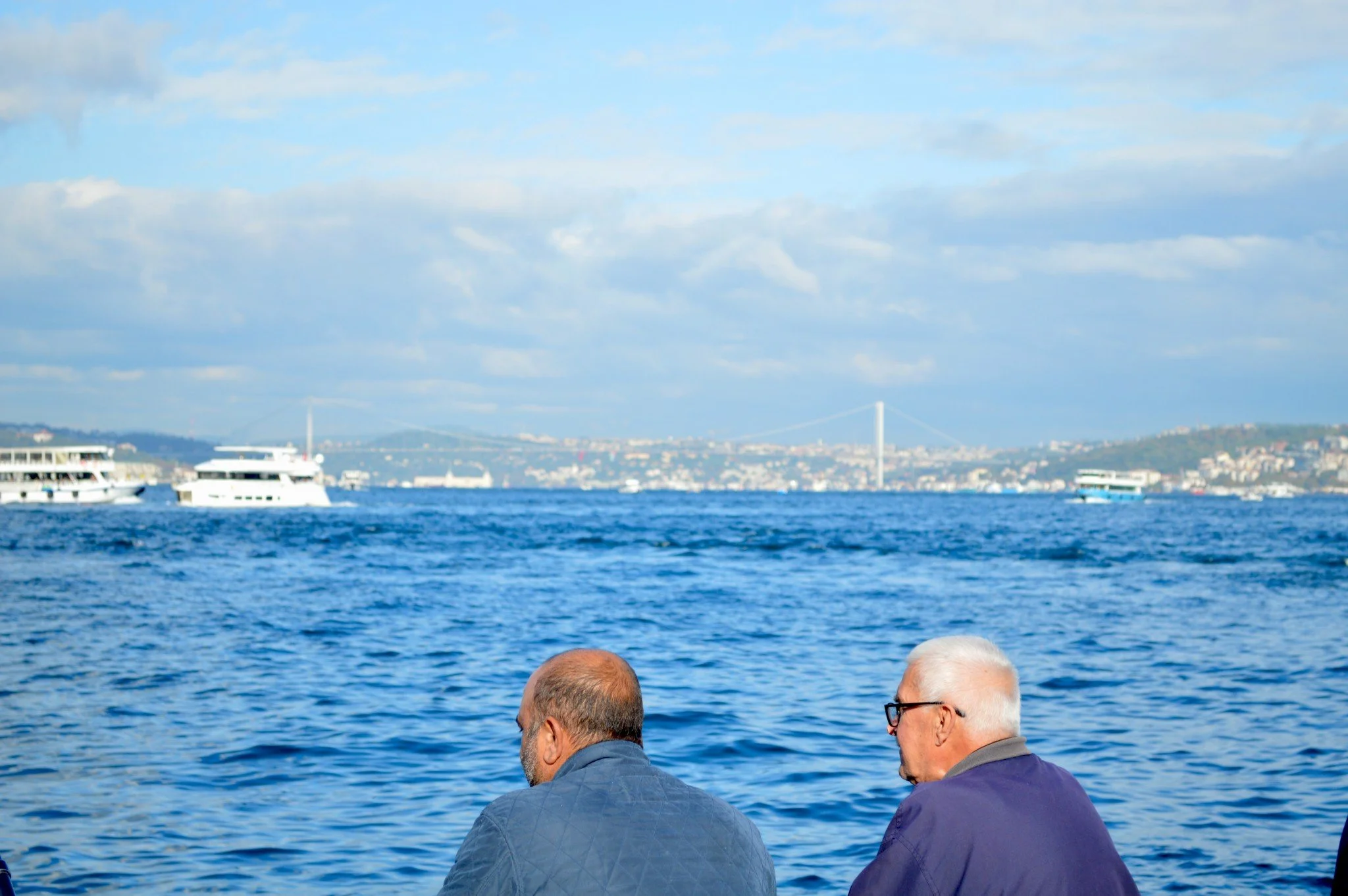
The second taxi was driven by this really distinguished gentleman, who told me that we’d take a short route, then proceeded to drive me around for what may well have been half of Turkey and then left me with a bill that was more than twice as much as what the app predicted. On the positive side - we had a lovely conversation; I was on vacation - and it’s difficult to sour my mood while I’m traveling. Just to mention, I finally stumbled on a good taxi on the way back, which was half the time and money. As a bonus, this very wise gentleman came with some interesting and funny remarks about my personal life, which gave me some food for thought. Most importantly, the drive back was worth it for the incredible views from the Bosphorus Bridge.
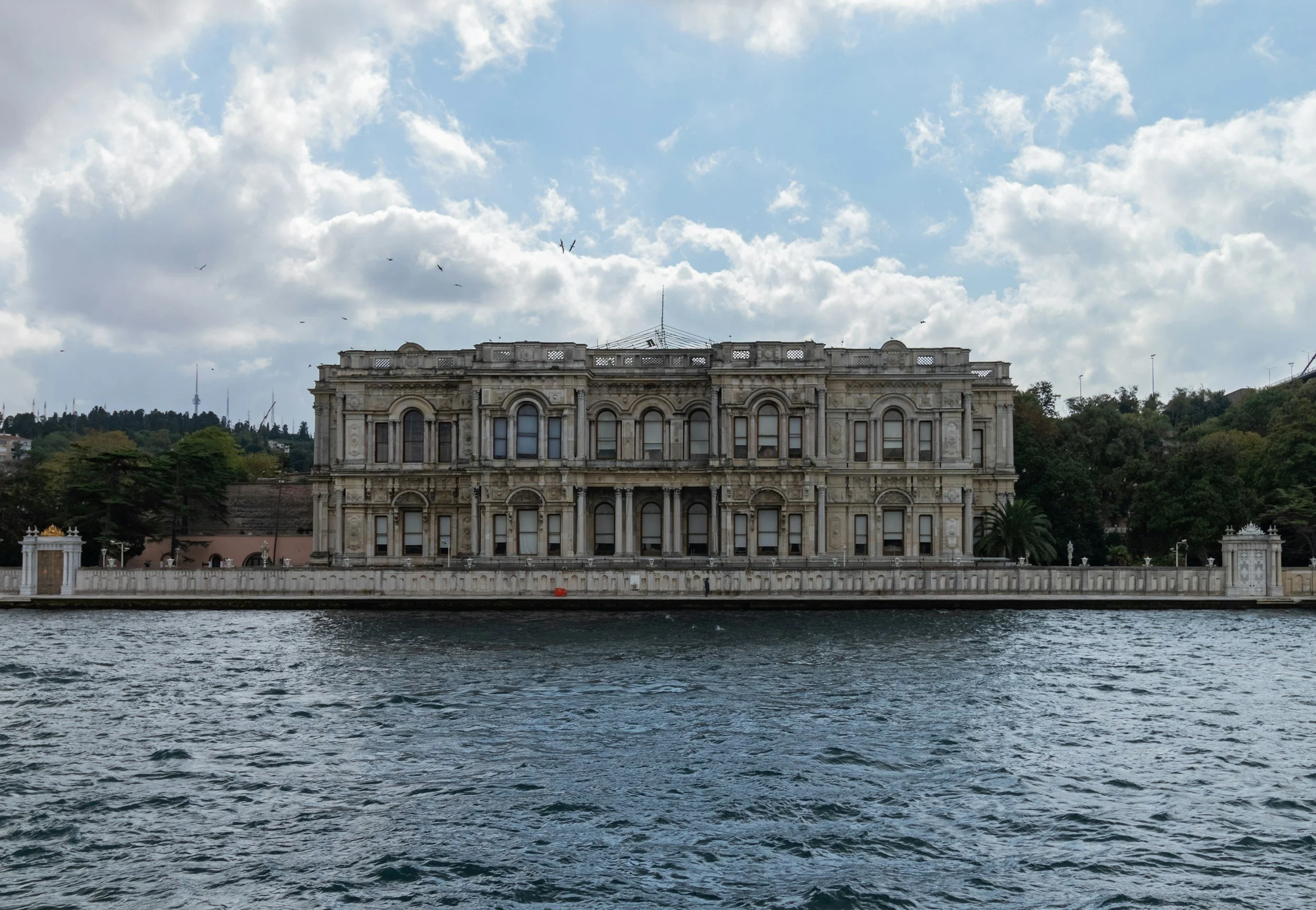
My destination was the summer residence of the Ottoman Sultan, otherwise known as Beylerbeyi Palace.
Copyright by Jordi Vich Navarro
@jvich on Unsplash
It was built by Sultan Abdülaziz, and in 1865 became a summer residence for the Sultan and a guesthouse for hosting foreign heads of state. This beautiful palace welcomed German Emperor and King of Prussia Wilhelm II, Austro-Hungarian Emperor Franz-Joseph, Edward VII, Prince of Wales, and many more.
Now, before we explore the beautiful sides of the palace, let’s dive into speculation, because nothing is more intriguing than some juicy gossip, even though there is absolutely zero concrete proof that the following story happened.
In 1867, Sultan Abdulaziz went on a trip to Europe - he was the first Ottoman leader to do so. He was present for the opening ceremony of the International Paris Exhibition that year, as a special guest of Emperor Napoleon III and Empress Eugenie. The three of them had dinner, visited the fair together and it was rumored that the Sultan was struck by Eugenie’s beauty and intelligence and fell in love.
Love was harsh for Abdulaziz, as he had to wait two years to see Eugenie again - the long-awaited rendezvous happened in 1869, when she stayed at Beylerbeyi Palace on her way to the inauguration of the Suez Canal. As she should, she was welcomed with lavish festivities and presents from the Sultan.
It is rumored that on one occasion during Eugenie’s stay, an imperial caique took Sultan Abdülaziz from Dolmabahçe Palace across the Bosphorus to Beylerbeyi Palace in the middle of the night and he stayed with her until morning.
No one can prove if there is even remotely any truth to this royal affair, but the Sultan and Eugenie didn’t meet again in this lifetime. After the capture of Napoleon III by the Germans, Eugenie fled to England. Sultan Abdülaziz was dethroned in 1876 and died shortly after. Eugenie visited Istanbul while in exile in 1911 and met with Abdülaziz’s son, whom she had seen when he was a child. Unfortunately, his father was long gone at that time.
And with that little detour into palace gossip completed, let’s get back to the building itself - the place where all of this might or might not have unfolded.
Unfortunately, I couldn’t see the beauty of the whole building on the outside, because it was being renovated, but I was still very happy with my visit. In this place you can observe this great juxtaposition between old and new - on one hand you see this beautifully preserved gem of the Ottoman Empire, and just above it, you see the Bosphorus Bridge looming as a modern invention.
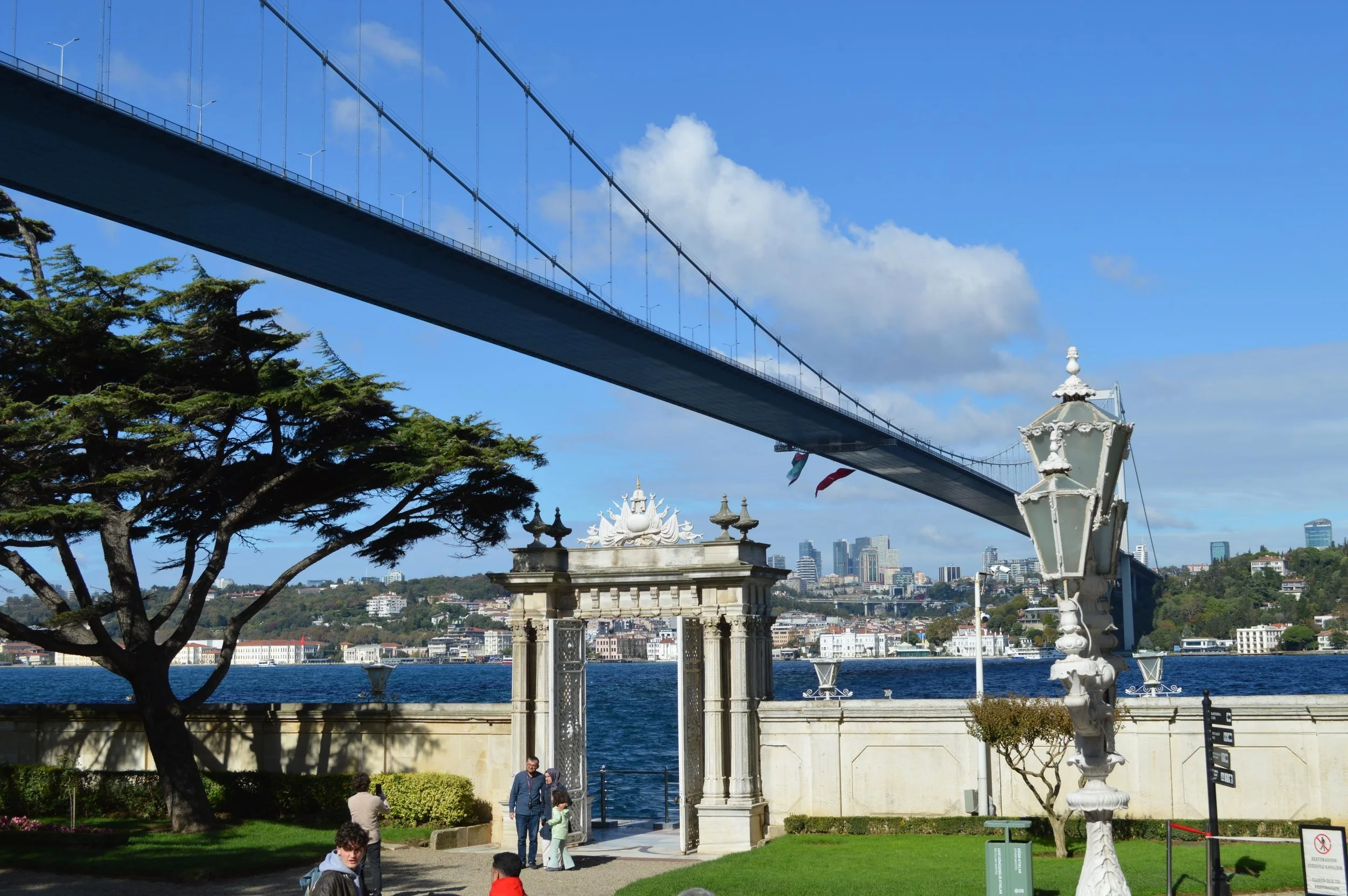
The palace is located on the Asian coast of the Bosphorus, just on the waterline and offers gorgeous views. It is surrounded by a garden, which I would give anything to have seen while it was inhabited by Sultan Abdülaziz - during his reign, it was filled with different animals, some of which very exotic. There were lions, gazelles, horses… there was a house for the lions, (it was destroyed).
Copyright by OMAR SABRA
@omarsabra64 on Unsplash
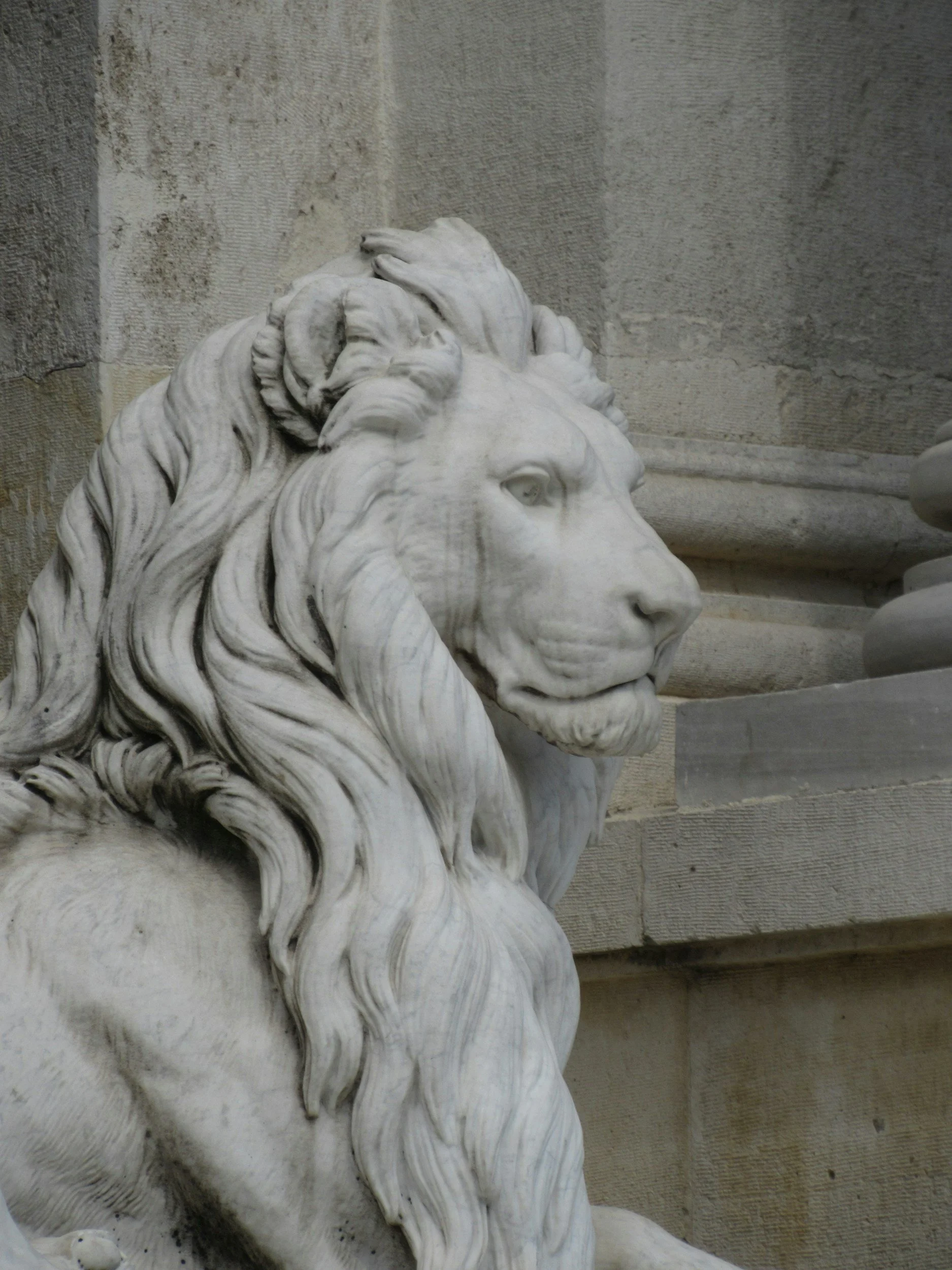
It was well known that he was obsessed with lions, probably even more than a grandma is obsessed with her cat.
An interesting feature of the garden are the statues of animals, which were commissioned to Pierre Louis Rouillard - the famous French sculptor whom the Sultan met at the Paris Exhibition. Some of his sculptures can be found today in other museums in Istanbul and even in public squares.
I find the summer residence more intriguing than Dolmabahçe Palace. Dolmabahçe is located in a beautiful place, also on the Bosporus, but it has a western feeling to it - it isn’t much different than any other palace you can see in western Europe - in short, I found it boring.
Beylerbeyi however - yes, it has many features inspired by western style, particularly the style typical of the Second French Empire, but it is fused with traditional Ottoman elements and many Oriental details - like beds made from turtle shells, floors covered in Egyptian mats, Hereke carpets and overall typical features of a Turkish home.
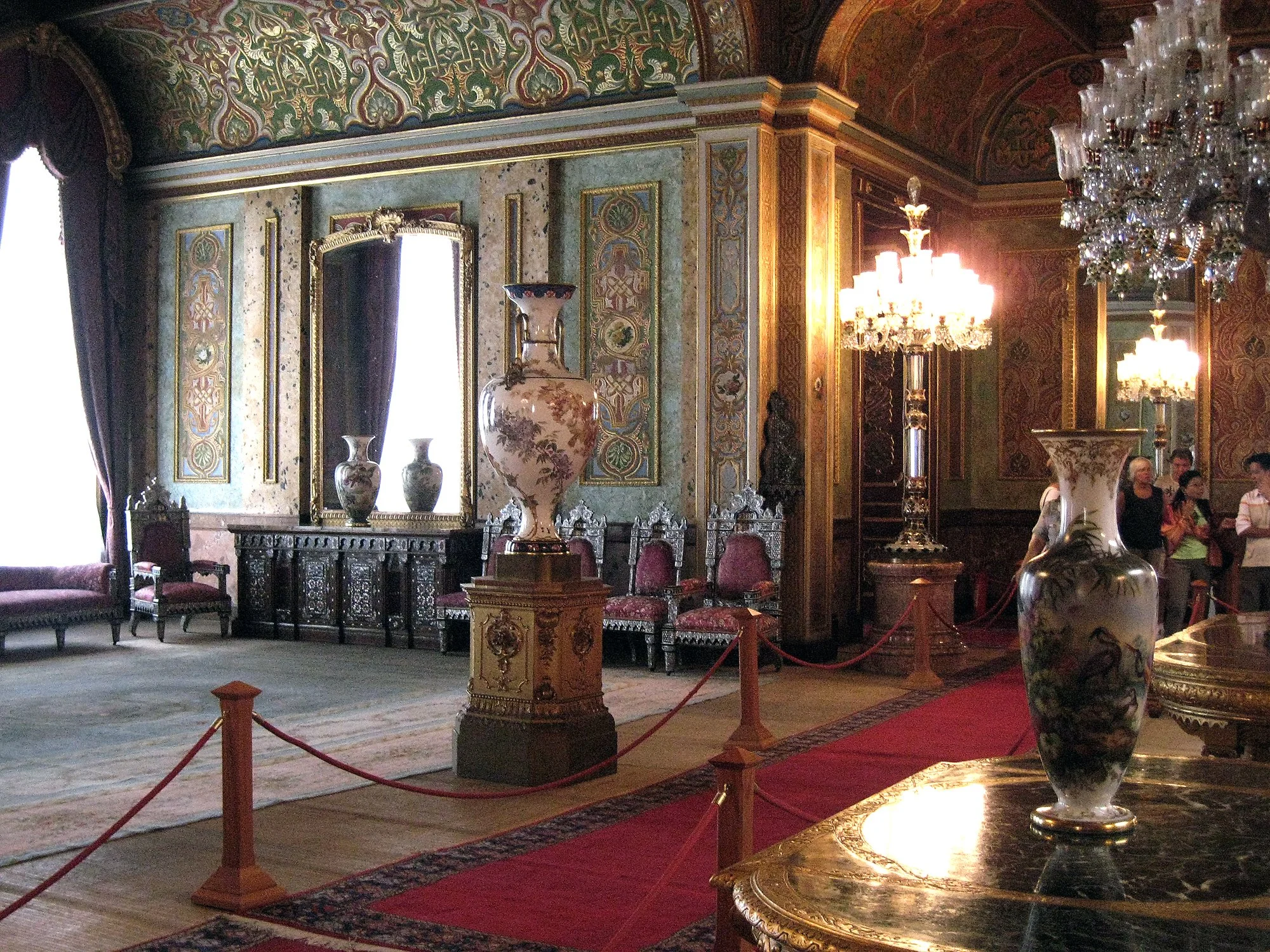
Copyright: Edal Anton Lefterov - Own work, CC BY-SA 3.0, https://commons.wikimedia.org/w/index.php?curid=11678370
While I was admiring all this chic, I was listening to an audio guide, and I couldn’t help but notice that the mother of the Sultan was perhaps the most prominent figure in the daily life of the summer residence.
There were 2 special pavilions, built just on the edge above the water, which were hers to use as places of repose. She had her own dining room, where she received guests - and this dining room was forbidden to be used by anyone else, one of the “living rooms” was also designed so she could host relatives and members of the harem. She was the focus of the guide as much as the Sultan, perhaps even more - which led me to believe that mommy was the Big Boss of the household. If not the Big Boss, she was for sure someone who commanded respect and was an authority figure.
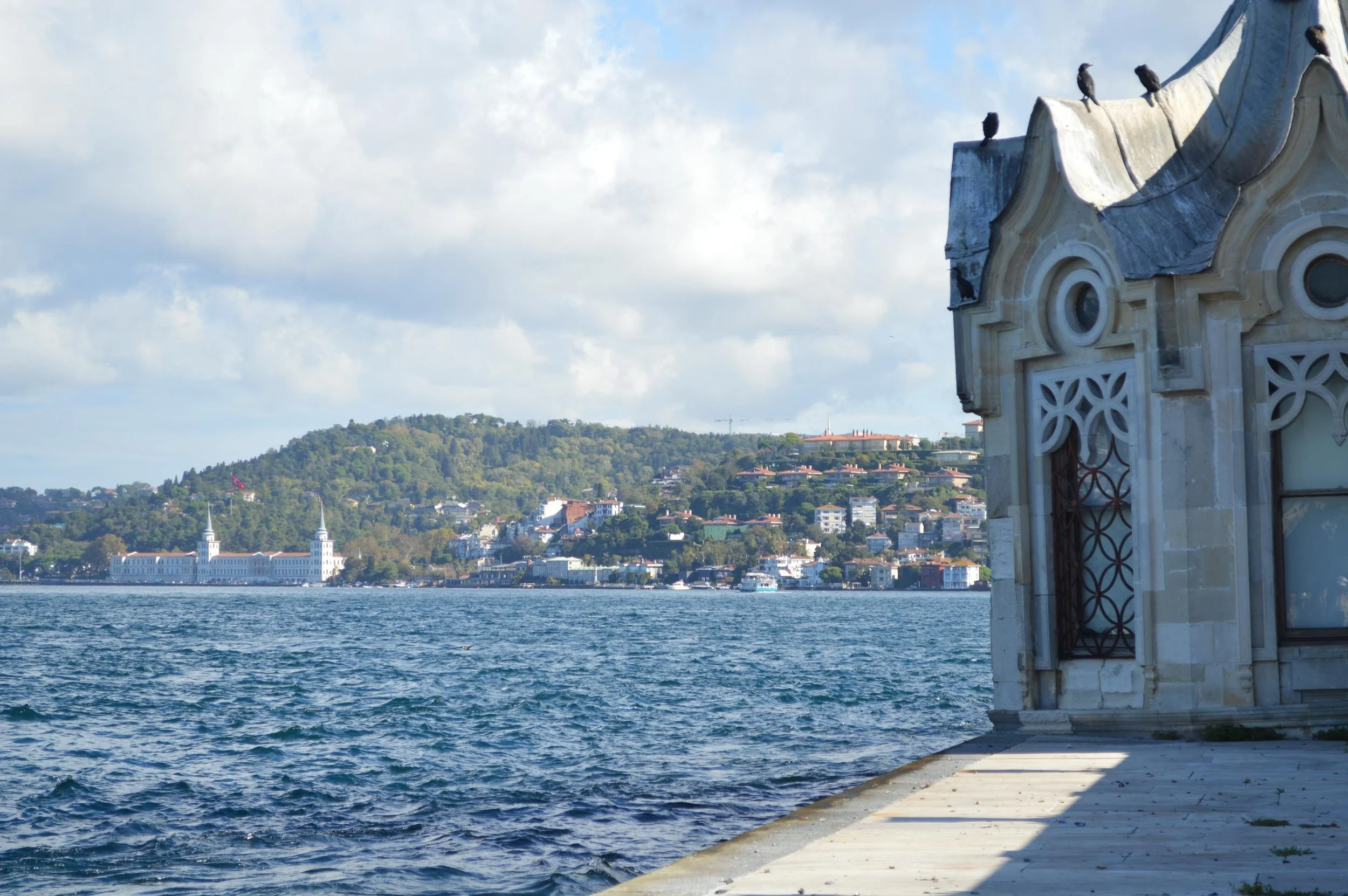
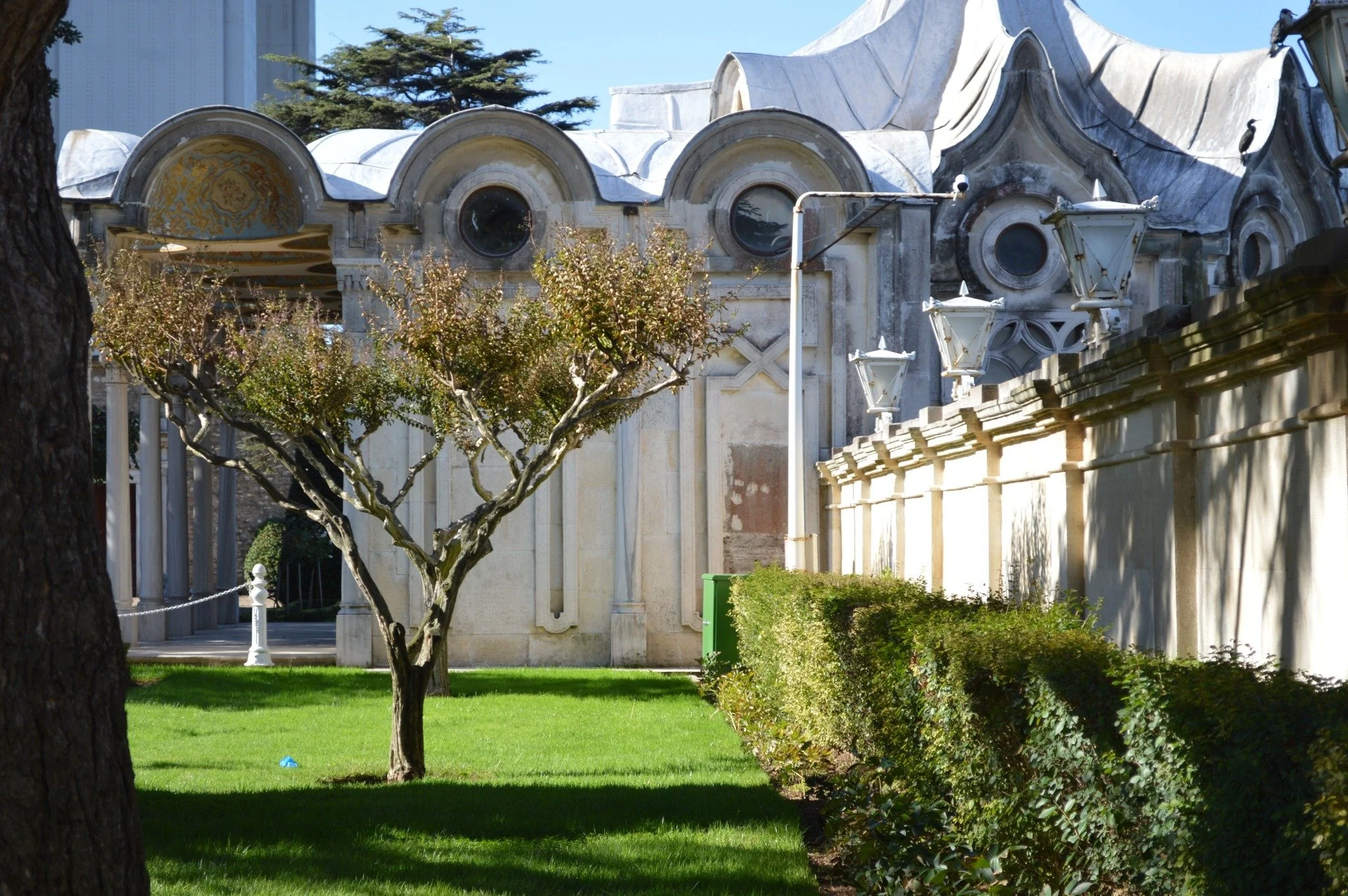
My overall review of this museum is 10/10 - it is also important to mention that as it is not as popular among tourists, it is less expensive than other attractions. The entrance fee is 700 TL, which includes entrance to the garden and the palace. The sea pavilions are closed to visitors, but you can have a peek through the windows. It is forbidden to take photographs inside.
And most importantly, when you leave, just cross the street and go left, walk for no more than 3 - 4 minutes until you reach a small crossroad - on the right you’ll see this little Bistrot that serves skembe corba (tripe soup), kebab and other local goodies.
P.S. I had a lot of cool photos from the garden, but due to a technical mishap, I lost most of them.